Photography, as a creative pursuit, can significantly aid mental health by fostering mindfulness, reducing stress, and providing a non-verbal outlet for emotional expression. In a fast-paced world, engaging with photography encourages a state of flow, shifting focus from worries to the present moment, whilst enhancing self-esteem and building community connections. The British Journal of Photography (BJP) has highlighted numerous projects that explore mental health through imagery, such as those addressing anxiety, loneliness, OCD, masculinity, and surreal depictions of inner turmoil, demonstrating how photography acts as an antidote to shame and secrecy, evoking feelings and sparking conversations about the mind’s complexities. This therapeutic potential is particularly valuable for high-stress groups like military veterans and police officers, where it serves as a bridge to recovery.
Art therapy, encompassing photography alongside drawing, painting, sculpture, and mask-making, is an evidence-based approach for those with post-traumatic stress disorder (PTSD), helping to externalise trauma, alleviate symptoms such as avoidance, hyperarousal, intrusive thoughts, and emotional numbing, whilst promoting emotional regulation, self-awareness, and resilience. Systematic reviews confirm visual arts therapy’s promise in reducing PTSD symptoms, especially in acute cases like combat. In the UK, where PTSD affects around 9–10% of military veterans and up to 20% of police and ambulance staff due to cumulative trauma, art therapy has roots dating back to WWII, pioneered by British artist Adrian Hill.
For UK military veterans, art therapy at organisations like Combat Stress enables sense-making of experiences, expression of hard to verbalise emotions, and reflection on military life through themed sessions, reducing isolation and fostering hope. Photography, in particular, promotes mindfulness and control, with veterans creating portfolios of nature scenes or symbolic images representing recovery.
Similar benefits extend to UK police officers and first responders, where photography provides a “lifeline” for managing symptoms, offering focus and escape through creative immersion, such as capturing nature to build confidence. Whilst not a cure-all, these approaches empower individuals to reclaim narratives and heal at their own pace.
Here are compelling examples of such artwork:
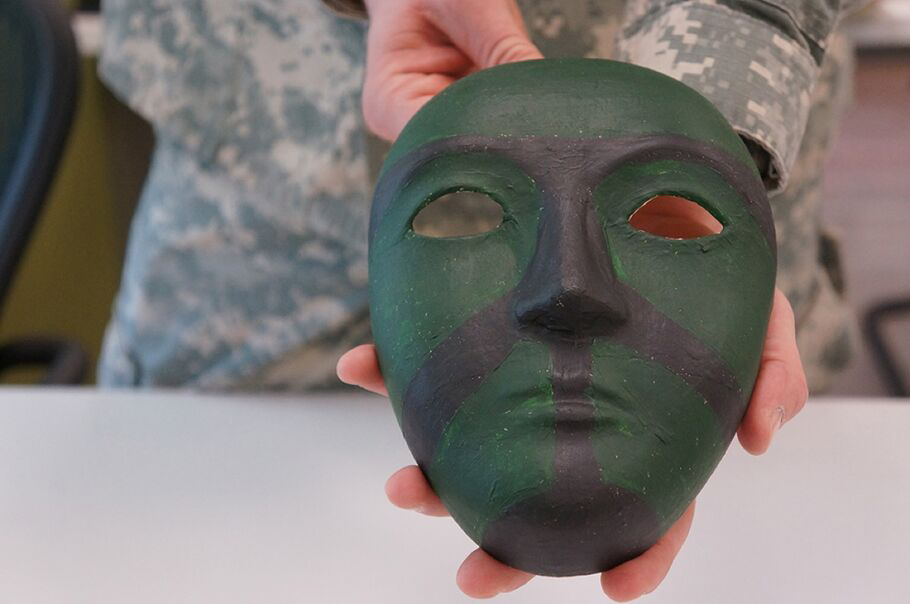
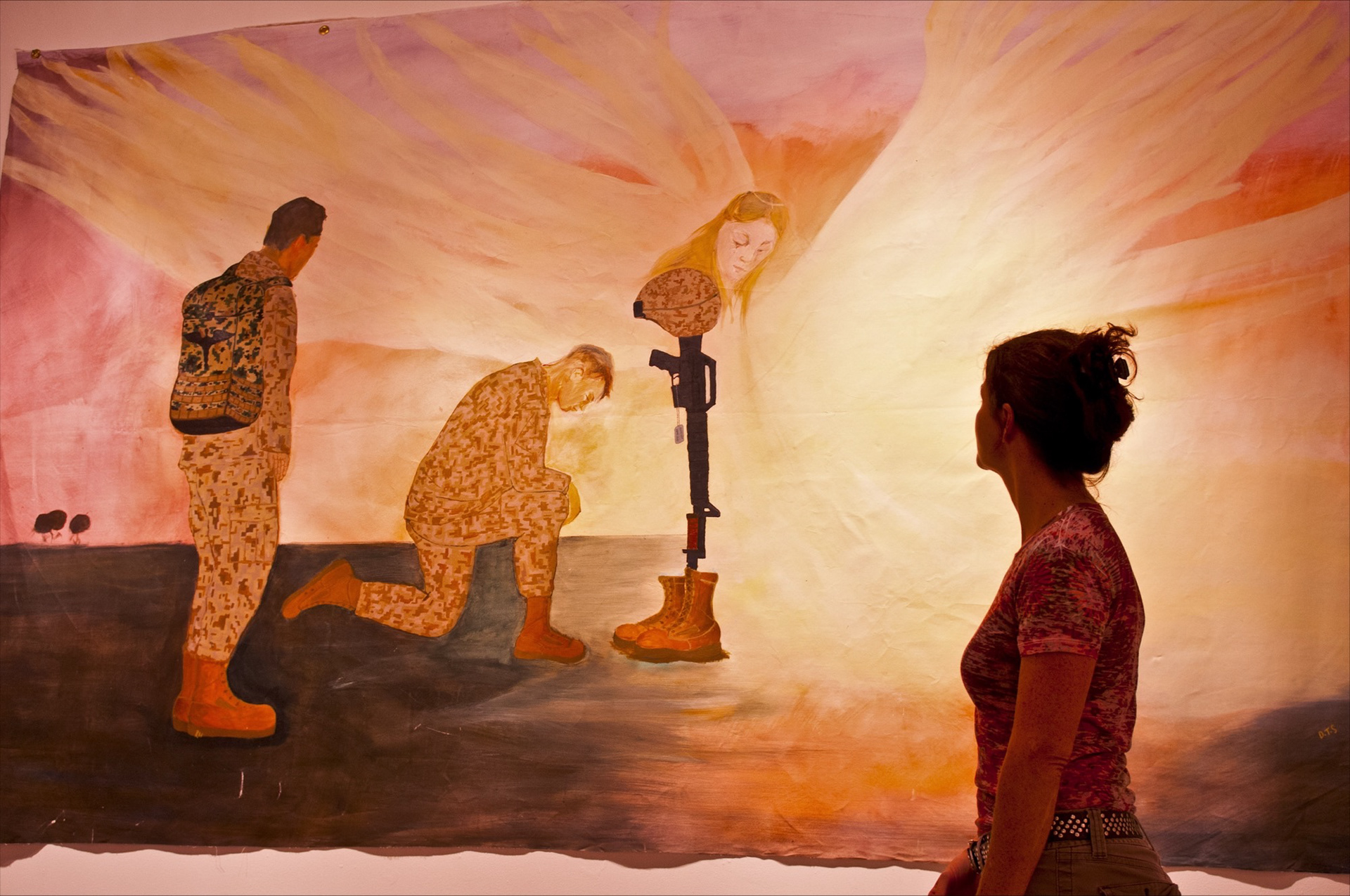
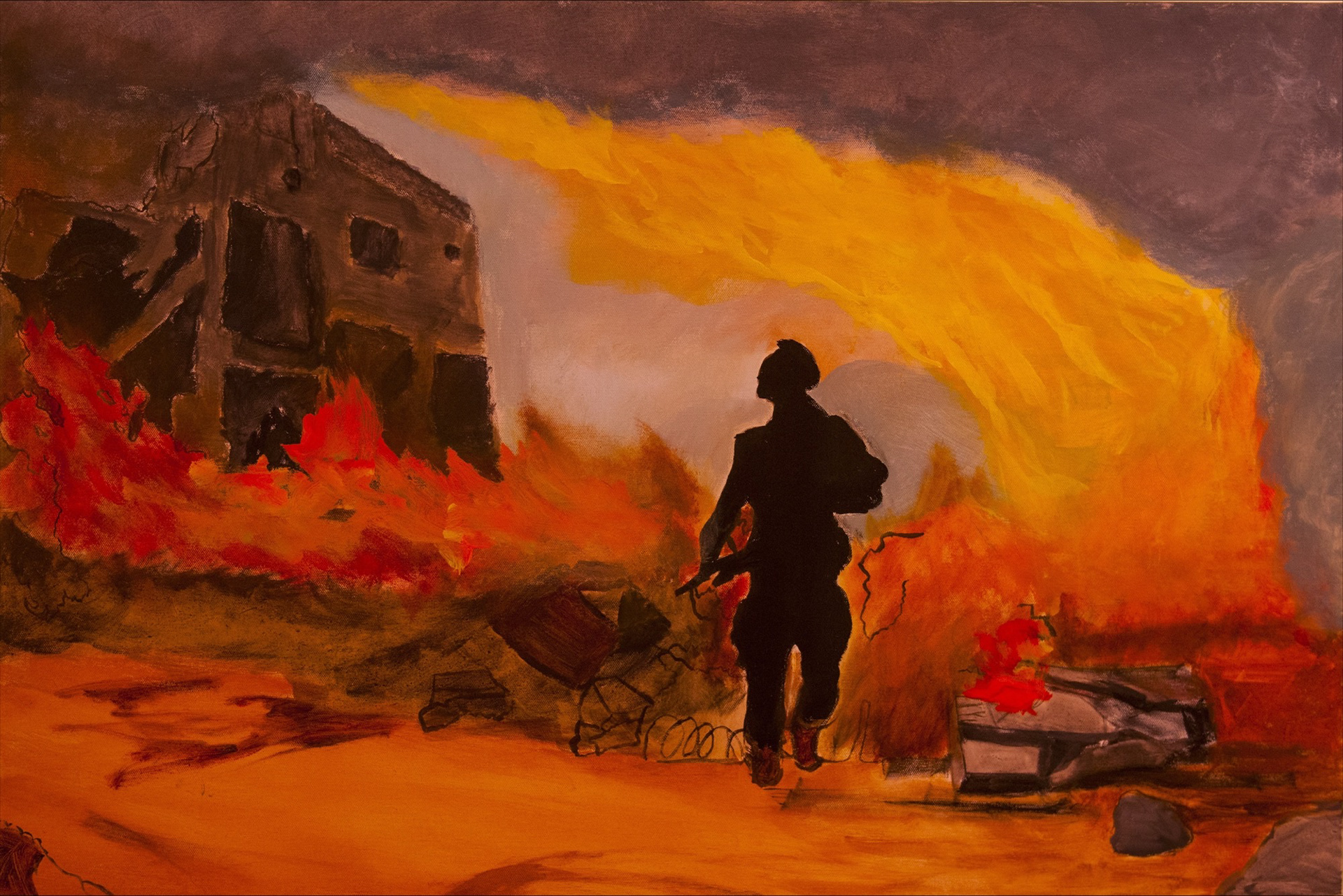
These include masks symbolising hidden wounds and paintings depicting trauma and healing, often from veteran programmes.
Explore UK-focused resources and examples:
Combat Stress art therapy: Combat Stress
PTSD UK on art therapy: PTSD UK
BBC feature on Essex police officer using photography: BBC News
British Association of Art Therapists: BAAT
BJP articles: Exploring mental health through photography; Photographing OCD; Masculinity and mental health; The Mind
Additional references:
Maddox et al. (2024): Link
Campbell et al. (2016): Link
Lobban studies: Example; ScienceDirect
Kaimal et al. (2020): Link
Voice of Light Program: Link
International examples linking to similar practices:
Peter J. Buotte: NEA profile
Richard Casper: Portfolio
Masks analysis: PMC
Creative Forces exhibition: Exhibit
VA photography stories: VA News; Feature Shoot
First responders’ art: Courage gallery; Art Therapy NJ; American University
If integrating this with your own bodies of work, such as photographic portfolios exploring mindfulness, nature, or personal reflection, photography can complement art therapy by offering accessible, everyday tools for mental well-being. Consult a qualified art therapist via BAAT for personalised guidance.